
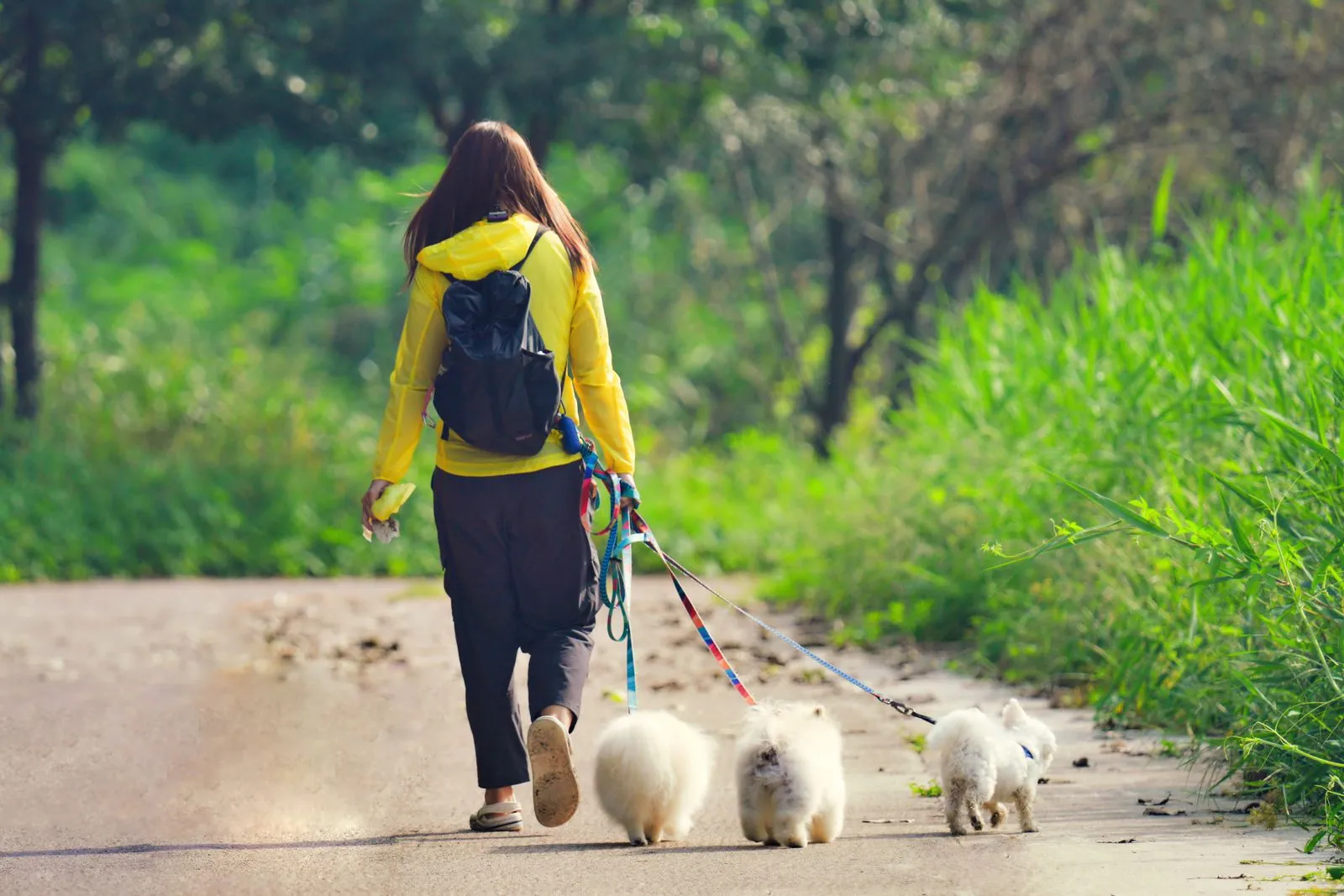
A good dog walk starts with a few simple items packed and ready. The right leash, waste bags, and a little water can make an outing more comfortable, while clear care notes help your walker follow your dog’s routine. Your list may vary with the weather, walk length, and your dog’s needs. Use these practical essentials as a starting point, then adjust them to suit your pup.
Start With Walking Basics
Choose a sturdy leash that fits your dog and is comfortable for the person holding it. A fixed-length leash is often easier to manage in busy areas than a retractable one. Include your dog’s usual harness or collar, fitted securely, with current identification tags. If your dog uses a special walking setup, show the walker how it fastens and where it should sit.
Pack waste bags and make sure they are easy to find. A small dispenser clipped to the leash can keep them within reach. For longer outings or warm weather, add a collapsible water bowl and fresh water. Avoid relying on your dog walker to supply your dog’s personal gear; label items when several dogs share a pickup area.
Bring Treats With a Purpose
Pack a small portion of your dog’s regular treats in a sealed container or bag. Treats can help reward calm leash behavior, reinforce a familiar cue, or redirect attention when something distracting appears. Tell the walker which treats are approved and how many your dog may have, especially if you track food intake or your dog has a sensitive stomach.
If your dog has food allergies or follows a restricted diet, provide only treats you have checked and approved. Make the rule clear in writing, including whether the walker should avoid treats altogether. Keep treats separate from medication and label each container so there is no confusion about what your dog can eat.
Share Care Notes and Safety Details
Write down the details a walker needs to keep the outing consistent: your dog’s name, reliable cues, preferred pace, and how they behave around other dogs, people, bikes, or traffic. Note triggers and what helps your dog settle. Be direct about any handling limits, such as avoiding off-leash areas or keeping distance from unfamiliar dogs.
Include emergency contact information and your veterinarian’s details, along with relevant health concerns, mobility limits, or medication instructions. Explain what to do if your dog seems unwell or gets loose. Keep instructions current, and let the walker know about recent changes rather than assuming they will notice them during pickup.
Adjust for Weather and the Route
Check the forecast and pack for conditions, not just the calendar. In hot or dry weather, provide water and tell the walker about your dog’s heat sensitivity. In rain or cold, a coat may help a dog that is small, short-haired, young, or older. Make sure any clothing or paw gear fits comfortably and does not interfere with the leash or your dog’s movement.
If the route has rough ground, your dog may need booties or a shorter walk, but introduce new gear before walk day. For a group walk, share any concerns about your dog’s stamina, social comfort, or need for extra space. A clear plan helps the walker choose a suitable pace and route and lets your dog enjoy the outing with fewer surprises.
Keep your dog’s walk kit together, label personal items, and refresh the care notes whenever routines or health needs change. A quick handoff can cover anything unusual that day. Wasatch Pack Walks can help you plan a walk routine that fits your dog’s needs.